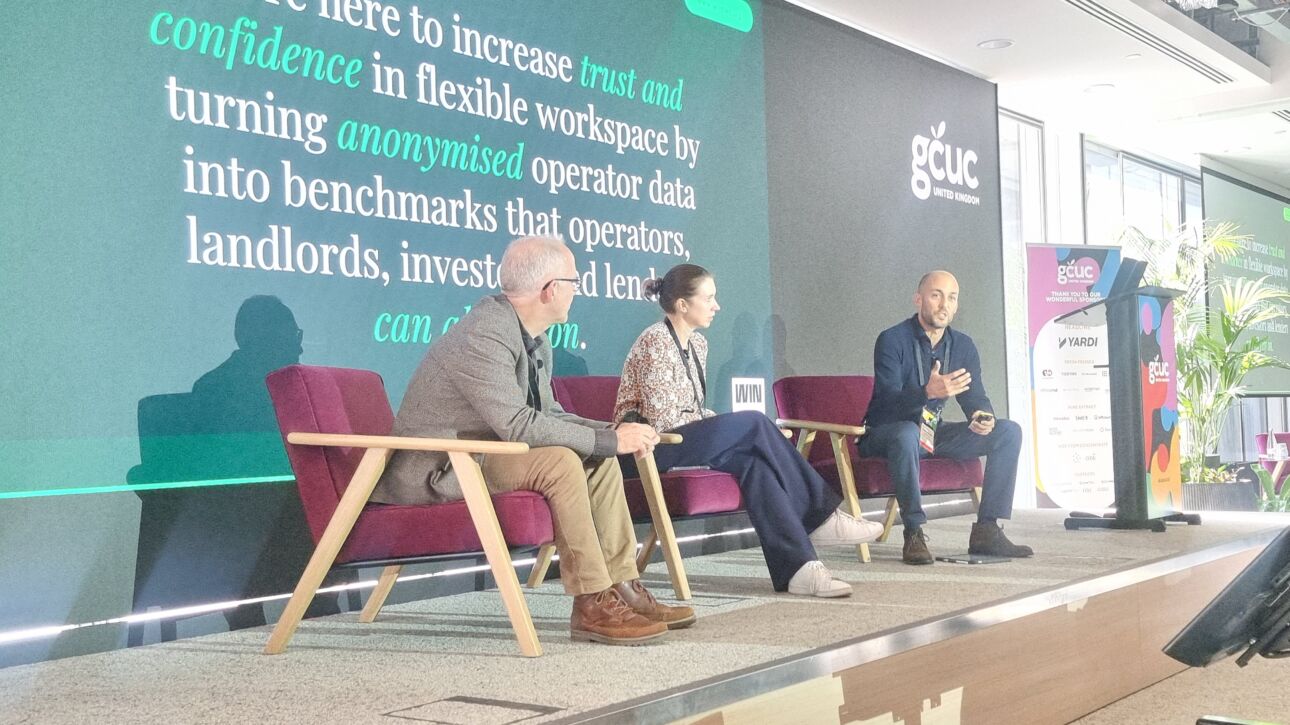
London flex occupancy has held at 84%, according to the latest figures shared by the Workspace Intelligence Network (WIN). Total site revenue has also remained broadly flat despite new space opening. For a sector that is often asked to prove its staying power, that consistency matters.
At WIN, A Year On: The State of Flex…
AI has handed every flexible office operator the same tools. The result is a sector where marketing increasingly looks and sounds alike. The operators who stand out will use AI to sharpen their brand and learn faster from every enquiry. That was the thread running through Rebuilding marketing for the AI era, a seminar for…
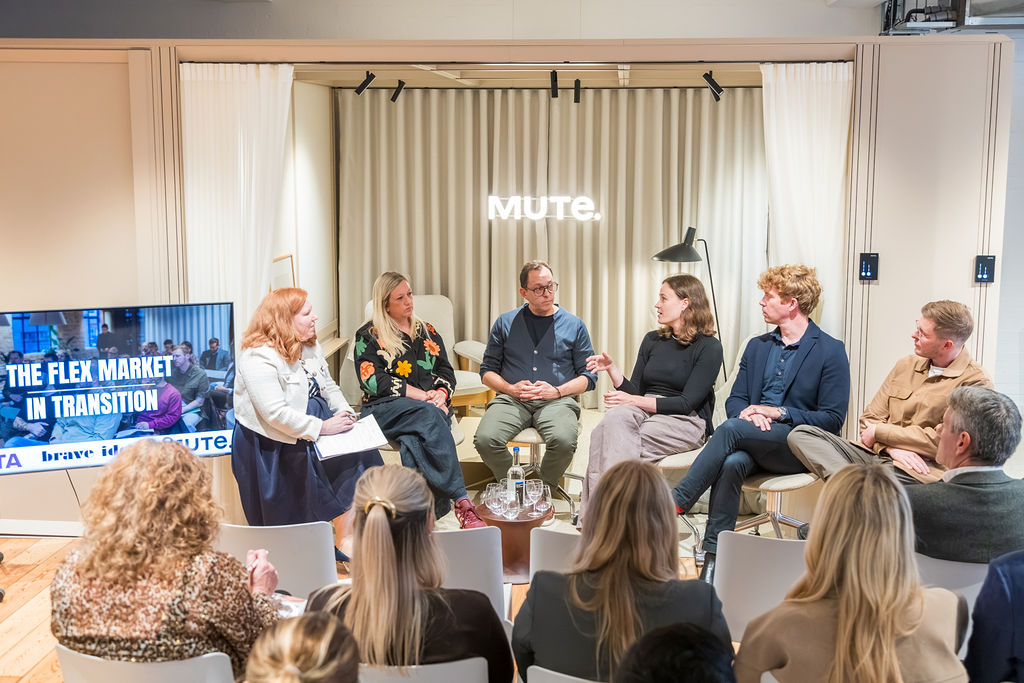
An occupier can now compare coworking, serviced offices, managed offices and traditional leases in a single search. As the choice widens, every flexible office operator faces the same question: why should that customer choose you? That question framed What will it take to compete in flex in 2027?, a panel at The Flex Market in…
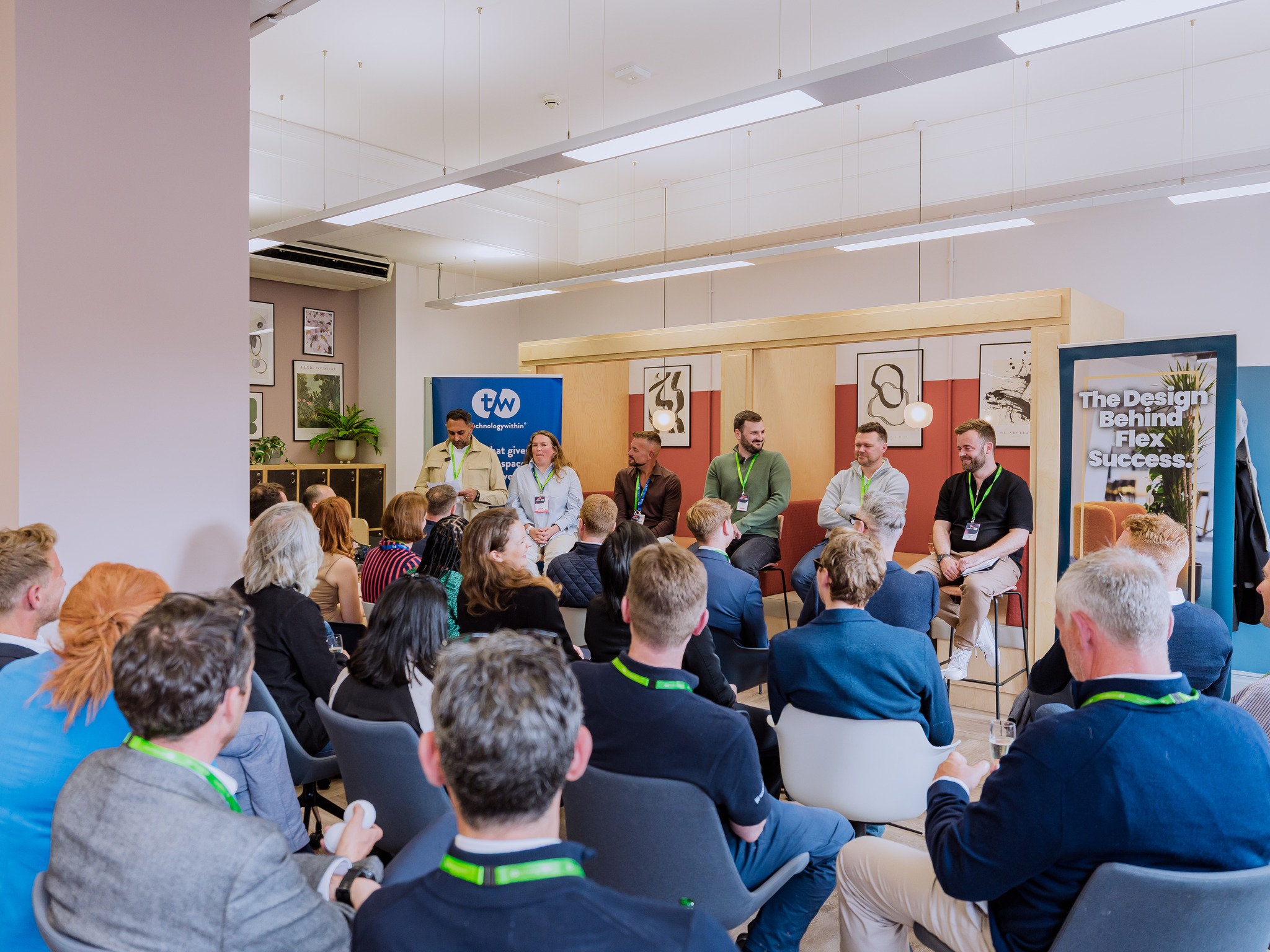
Image courtesy of Technology Within The UK office market is not contracting. It is bifurcating. What UKREiiF 2026 made clear across 3 days of panels and conversations in Leeds is that the gap between assets that perform and assets that stagnate is widening. The decisions landlords and investors make in the next 12 to 24…
Commercial property in the UK has always had winners and losers. 30 years ago, the market was simpler: less supply, stronger demand, and landlords could let space on 20 or 25-year leases with upward-only rent reviews and barely needed to speak to their occupiers. That world is gone. What has replaced it is more occupier-led,…