
An occupier can now compare coworking, serviced offices, managed offices and traditional leases in a single search. As the choice widens, every flexible office operator faces the same question: why should that customer choose you?
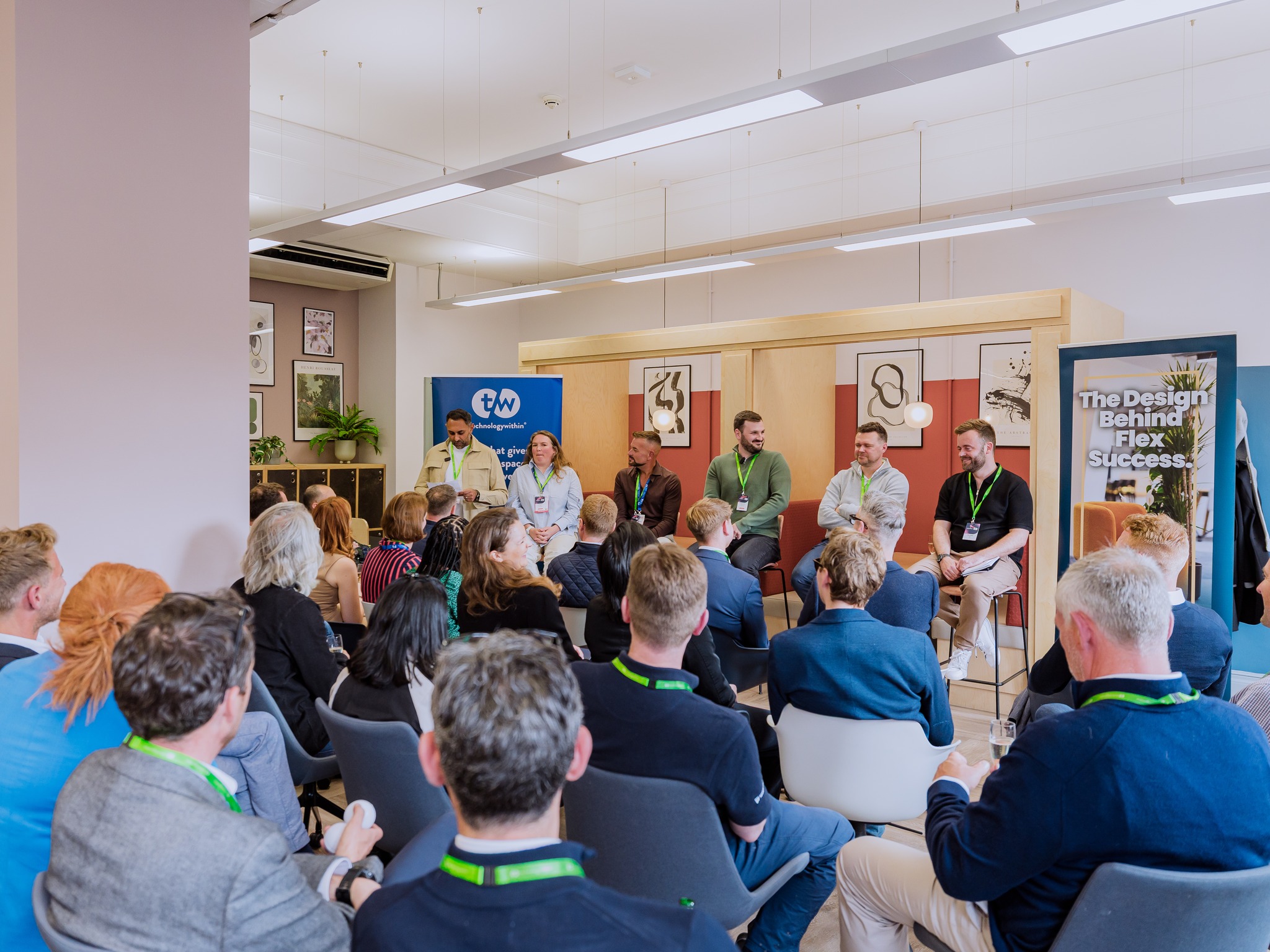
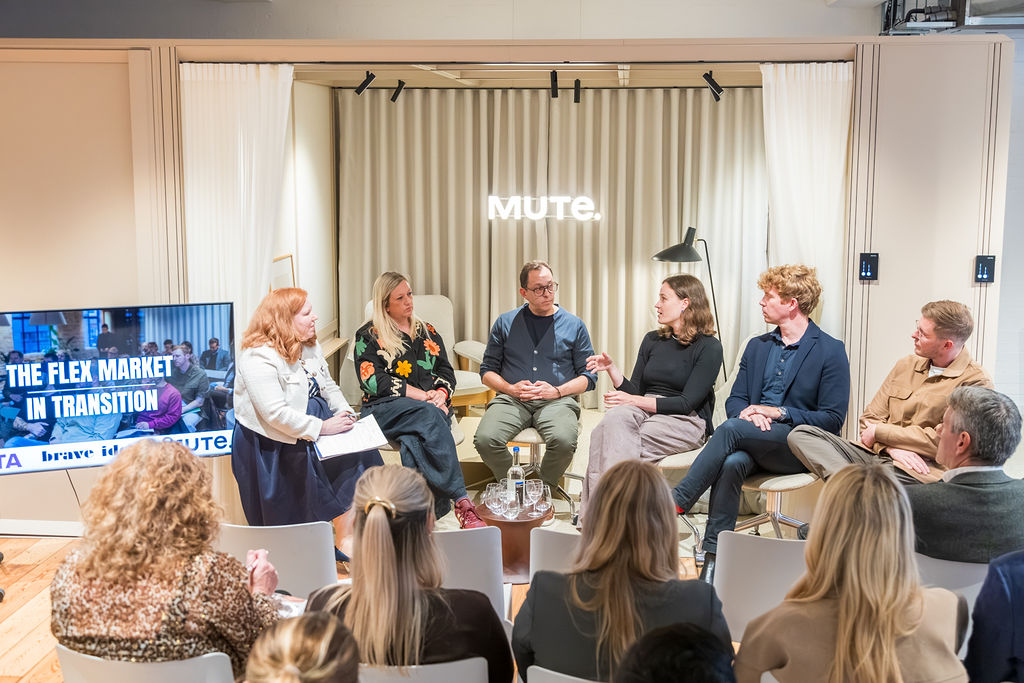
That question framed What will it take to compete in flex in 2027?, a panel at The Flex Market in Transition, Brave Ideas’ event at the MUTE showroom in Clerkenwell on 17 September. I moderated the panel, which brought together four operators with very different models and one product specialist:
▸ Sophie Turnbull, Chief Revenue Officer, Orega
▸ Robert Schogger, Co-founder and Joint CEO, MetSpace
▸ Freddie Bailey, Commercial Director, Halkin
▸ Michael Dean, Base
▸ Gosia Hermanowicz, Sustainability Manager, MUTE
Four themes stood out.
AI belongs in the back office, for now
Every operator on the panel uses AI, and every one draws a firm line at the front door. MetSpace runs a centralised model with no on-site staff, and used AI to build its operating platform in two months rather than 12. Halkin called AI-produced board reports and data analysis transformational.
The front office is a different story. Orega tested AI in broker communications, then pulled it back because the relationships suffered. Halkin trialled AI lead handling but never went live, as the beta results weren’t good enough. Bailey also described providers whose AI emails were already exchanging options with brokers’ AI emails, with no human checking the fit for the end client.
Dean framed the decision as one of brand positioning. An automated check-in at a Holiday Inn is fine. Scan a barcode at the Ritz, and you’ll have questions. Where your offices sit in the market should decide where automation stops.
Being found by AI means being cited by others
AI is changing how occupiers find offices, and Halkin is already adapting. The operator has scaled back traditional SEO and invested in third-party editorial, including articles in City AM. AI tools such as ChatGPT, Gemini and Claude favour fresh, credible sources, so a respected publication vouching for you carries more weight than your own website saying it.
For flex operators, that shifts budget towards digital PR, expert commentary and trusted listings. Your reputation is now built partly in places you don’t control.
"Managed" is a word for agents, not occupiers
The liveliest exchange came from the floor. If most operators sell the same core product of private offices, meeting rooms and lounge space, why communicate managed, flex or serviced to the end user at all?
The panel’s answer was revealing. Halkin can switch a floor from serviced to managed within a week, depending on who walks through the door. Turnbull explained that Orega only leans on the managed label with brokers and agents, because some will only look at managed space. With occupiers, the conversation is simply about what they need.
Another contributor traced the label problem to UK regulation and the distinction between a licence and a lease, which has pushed the sector into categories occupiers rarely care about. Labels help brokers sort requirements. They don’t win clients.
What it will take to compete in 2027
The panel agreed that demand is growing. Occupiers want simple terms, and many sign short agreements and then stay for years. Landlords are also adapting, with some now accepting one-year terms at a premium from well-funded, fast-moving tenants.
Asked what it will take to compete, the panel landed in the same place from different directions:
Dean: sell to needs, not labels. Start from the client’s list of requirements and deliver it.
Bailey: be flexible and adaptable in the product, the terms and the offer.
Turnbull: listen to your own clients, not your competitors. What works in Manchester won’t work in Marlow or Bristol.
Schogger: educate the market. Occupiers want outsourced operations, and owners need to accept a different way of owning offices.
What this means for flexible office operators
Every theme from the panel points to the same gap. Occupiers want clear, comparable information about offices, and the market still makes that hard to find. It’s the reason we launched Office Tier List in March 2026: the UK’s first independent, AI-powered marketplace for flexible offices.
Lead with needs, not labels. Office Tier List starts with what the occupier needs, through a guided conversation, then matches them to coworking, serviced and managed offices. The categories stay in the background, where they belong.
Earn your visibility. AI search rewards credible, independent sources. An independent marketplace, separate from commission-driven brokers, gives operators the third-party validation the panel described.
Keep people at the front door. Occupiers arrive having already compared their options, so your team’s time goes on the conversation that wins the deal.
Listing on Office Tier List is free for providers. Verified status, at £895 per location per year, adds an in-person inspection, a verified badge and featured placement in search. List your offices here.
If you’d like support with your wider brand and marketing strategy for 2027, Spaces to Places works with UK flex providers running one to 20 locations. Book a call.
With thanks to Brave Ideas, BOLTA, MUTE, MC Mark Bott and our panellists.